

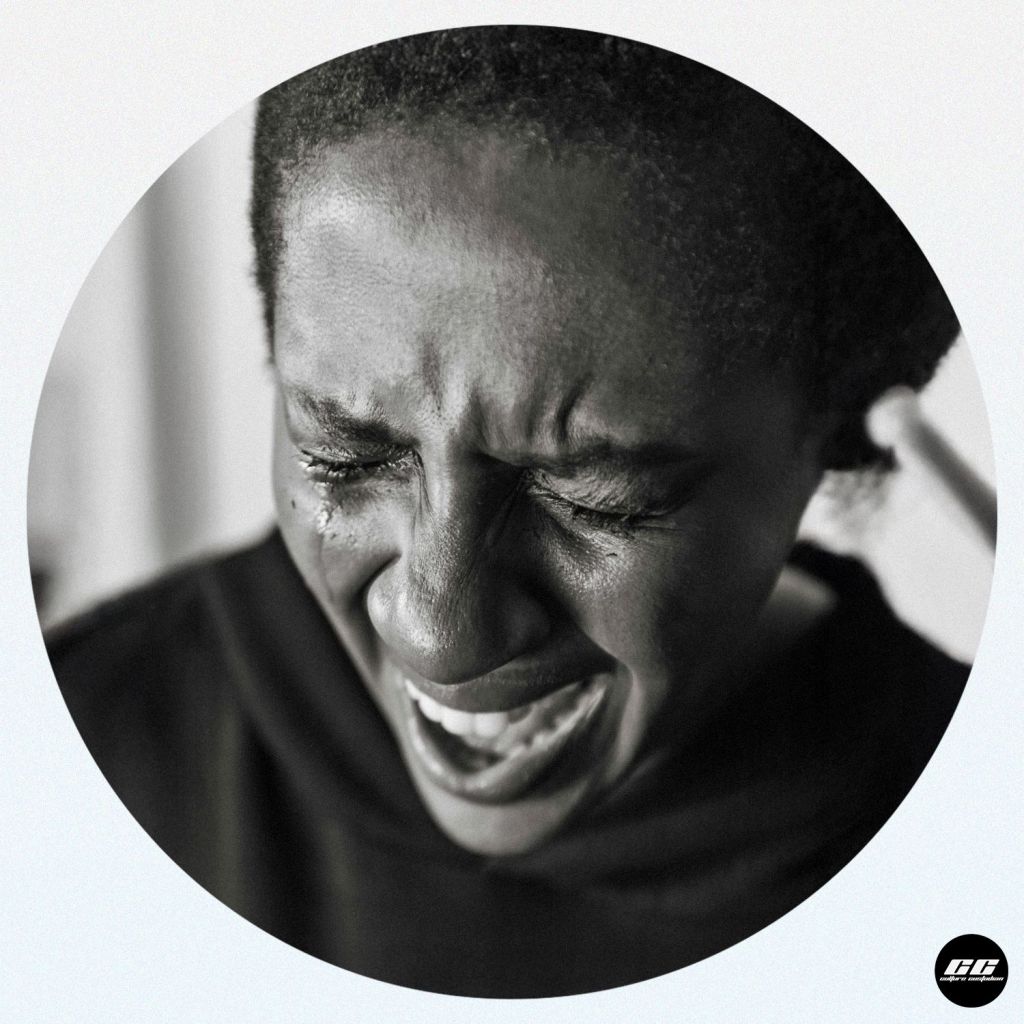
Gender based violence is often only thought of in physical terms: domestic abuse, financial abuse, and sexual abuse, because these forms are tangible, generally easier to track, and often receive more public awareness. However with the rise of social media and online spaces, gender based violence has taken on a more evasive form, harder to trace, but still gender based violence all the same.
Surveys and in-depth research aren’t even necessary to prove the prevalence of vitriol targeting women online. A simple scroll through the social media pages or comment sections of accounts with millions of followers will highlight the threat posed to women and how online platforms facilitate this. Now, African activists and lawyers are calling for urgent action to protect women, girls and boys as digital violence surges across the continent.
A massive rise in internet users, coupled with huge numbers of people aged under 30, has fuelled an increase in gendered online violence across the continent, according to experts, by giving perpetrators new tools to control and silence women and girls, and influence boys.
“Unfortunately, the world offline is not safe, equal, and inclusive. But the world online is proliferating that to such an extent that it’s creating a foundation for a very, very unequal future,” says Ayesha Mago, global advocacy director at the Sexual Violence Research Initiative, a global network looking at violence against women.
Although Nigeria does not have specific laws addressing online gender based violence, there is a broad set of legislation regarding cyberbullying, embodied by The Cybercrime Act 2015. This law has been used in a few situations where social media users have taken legal action against perpetrators of cyberbullying against them. Eniola Badmus notably got her TikTok cyberstalker a 3-year jail sentence, and Iyabo Ojo took Lizzy Anjorin to court under the same law. However, this law, while useful, does not account for the often gender specific nature of cyberbullying, which often includes targeted bullying of women online, sexual harassment online, and campaigning against abuse survivors.
This trend isn’t unique to Nigeria. Across Africa, online gender based violence is widespread, normalised, and increasingly dangerous. Research from the Centre for Information Resilience in Ethiopia shows abuse has become so endemic that women have fled the country after sustained online and offline harassment. In Uganda, nearly half of women report experiencing online abuse, while in South Africa, exposure to harmful content is linked to a significantly higher likelihood of violent behaviour and misogynistic beliefs.
Women in politics, journalism, and public life are especially targeted: a 2021 study found that nearly half of female parliamentarians across 50 African countries had faced sexist attacks online, with many receiving threats of rape, death, or abduction. Similar patterns appear in Kenya and Tunisia, where digital abuse is used to discredit and intimidate women. This reflects a broader global crisis, where nearly two in five women experience tech-facilitated violence, often without legal protection.
Even with these numbers, cyberbullying legislation across the continent struggles to keep pace with the reality of online harm. Fewer than 40% of countries globally have specific laws addressing cyber harassment, leaving billions of women without protection. While several African nations have introduced cybercrime laws, these largely focus on fraud and unlawful access, but not online abuse or harassment. Where online violence is addressed, enforcement is weak and, in several cases, laws are misused to silence dissent instead of protecting victims. South Africa’s Domestic Violence Amendment Act has been touted as a valiant attempt at curbing online GBV, with specific provisions that allow courts to order digital platforms to take down abusive content, but crucially, most frameworks fail to recognise the gendered nature of online abuse — reflecting a broader gap in awareness, digital literacy, and institutional capacity.
Targeted bullying of women online is usually meted out through social media, a prime example being the harassment of members of FemCo, a feminist coalition that was created months before the 2020 EndSARS protests reached their peak. The organization voluntarily assumed positions of responsibility to ensure that protesters were provided with adequate medical, legal, and welfare services during the protests. Although their involvement was instrumental during the protests, they were not spared from misogynistic backlash once it was disrupted. The coalition itself came under heavy scrutiny for suspected fraud in 2021, when a X (formerly Twitter) user alleged a $51,000 bitcoin equivalent withdrawal months after the protests ended. Once the aspersion was cast on FemCo’s integrity, commentators became less interested in efforts at clarifying the misinformation. Members, including Kiki Mordi, Jola Ayeye, and Ozzy Etomi, amongst others, were directly targeted and harassed, leading some to ultimately leave X for good.
This kind of harassment doesn’t take age into account — younger women are harassed just as heavily and even more so when they show bravery and nonchalance in the face of such harassment. Fashion creators Ore Akinde and Omoloto have been relentlessly attacked on the same platform (X), to the extent that several social media users, celebrities, and media publications have had to come to their defence.
Another hate-fuelled attack was carried out last year, following a video posted by social media influencer, Asherkine. The premise of Asherkine’s videos is that he selects random people and splurges money on them in an act of generosity. One of the beneficiaries of Asherkine’s charitable endeavors last year was a young girl studying at the University of Nsukka. Within hours, male X users, particularly members of the notoriously misogynistic “Boys’ Community,” had cooked up a story claiming that the girl in question had a longtime boyfriend whom she had denied existed in Asherkine’s video in order to secure the all-expense-paid shopping spree he proposed. The community went as far as circulating AI-generated pictures of the girl in question with the alleged boyfriend.
Harassment is not just aimed at ordinary social media users, but at celebrities as well. The smear campaign against Ayra Starr serves as an example. Last year, the ridiculous rumor that Ayra had an odour began to circulate on social media, and before long, conspiracy-addled accounts amplified this narrative to cosmic proportions, using clips and screenshots taken out of context. Ayra Starr, a known feminist and, in social media terms, a “girls’ girl,” has earned a reputation for squaring off to misogynistic trolls with cheeky rebuttals. The baseless logic that fueled the hate train against her is the same that propels the misogynistic hatred towards all of the women mentioned thus far, the inexplicable need to ‘humble’ women who appear confident. This is plain misogyny, not a novel concept by any means, but the speed and intensity at which such logic causes harm online is the reason why online GBV must be addressed by lawmakers as a matter of urgency.
Perpetrators have also been able to contort sexual harassment to fit into online spaces. Inappropriate comments under posts made by women, leaking nudes, and making predatory edits to photographs without the consent of the owners are just a few of the ways women are sexually harassed online. Last year, Tems took to X and, in a strongly worded post, called out (mostly male) social media users who have consistently made inappropriate remarks about her body without any regard for her discomfort. This came shortly after several women on the app raised alarm over men using X’s ‘grok’ feature to undress women who had posted their pictures on the platform, a disgusting display of predatory behaviour reminiscent of the 2021 ‘silhouette challenge’ era where men made use of editing software to alter the lighting in the videos of female challenge participants so that they could see the women’s bodies without their consent.
If gender-based violence is understood only in physical terms, then the abusive behaviour that unfolds online will continue to slip through the cracks — dismissed as noise rather than recognised as harm. But the evidence is already too heavy to ignore. The same patterns of control, humiliation, and intimidation that define offline violence have simply adapted to digital spaces, where they move faster, spread wider, and are harder to contain.
What this ultimately means is that the conversation has to shift. Online abuse cannot remain an afterthought in policy, nor can it be treated as an inevitable side effect of internet culture. It is violence, shaped by the same inequalities and prejudices that exist offline, and it demands the same urgency.
