

The hashtag #2026IsTheNew2016 is trending, and for good reason. What began as a casual prompt to spark nostalgia quickly became an excavation of cultural memory. Playlists resurfaced, memes circulated again, decade-old photos reappeared, and debates ignited over who dominated Nigerian Twitter, which songs soundtracked our lives, and what films people actually showed up to watch. The internet is filled with people remembering their younger selves, and in doing so, collectively remembering a Nigeria that existed before algorithms archived everything.
But why now? Why 2026 and not 2025? Perhaps because the adults now in their twenties were only teenagers in 2016. A decade has passed—just enough distance to miss it properly. Memory has settled, and the present feels familiar in ways that make looking back irresistible. In retrospect, 2016 feels like that year: the one just before everything accelerated, hardened, and lost some of its lightness. The music, the internet, the culture, it all felt alive. In this piece, we trace what made 2016 feel so significant, and why it still lingers.
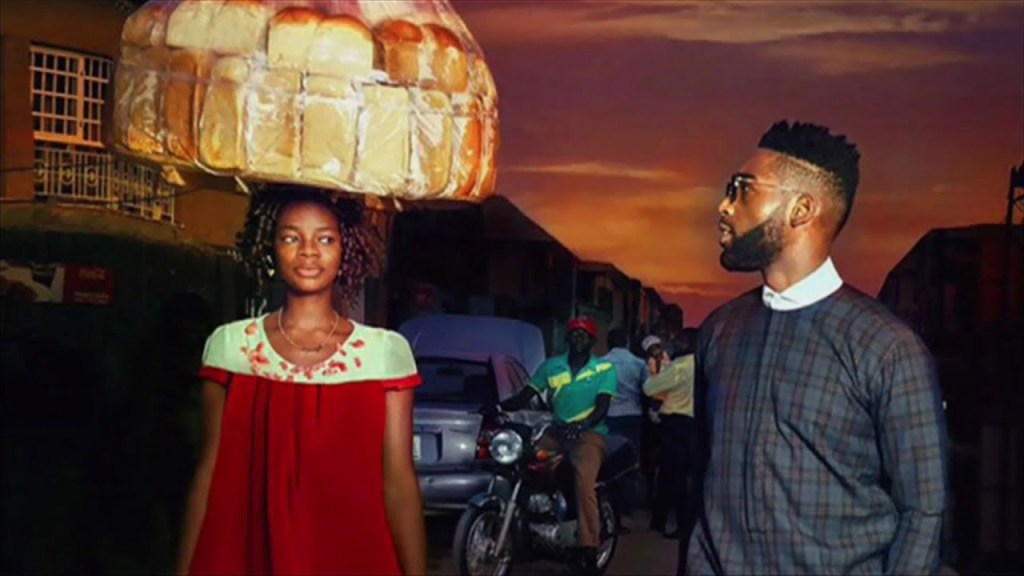
On February 2, 2016, Olajumoke Orisaguna, a bread seller among countless others on Lagos streets, became an overnight sensation when she accidentally wandered into a TY Bello photoshoot featuring Tinie Tempah. One moment she was hustling to survive, invisible among the crowd, the next, her image was everywhere, flooding print and digital media alike. The nation rallied behind her with hope and goodwill. But by year’s end, the fairy tale had faded: not much had changed for Jumoke, and she was back to hustling.
Almost immediately, Nigerian Twitter flexed its other muscle: chaos. Early in the year, Wizkid and Linda Ikeji’s bitter feud over property allegations exploded across social media—insults flew, age-shaming intensified, class commentary sharpened. Everyone watched, laughed, and picked sides. The drama escalated until it landed on police desks after Ikeji reported Wizkid for threatening her over a blog post. Resolution came only when the Lagos State Police Commissioner intervened, forcing Wizkid and his lawyer to issue an apology.
Then came April, and with it, the unraveling of Tiwa Savage and TeeBillz’s marriage—broadcast through Instagram posts and televised interviews. Tiwa accused TeeBillz of infidelity, financial neglect, and drug use; he publicly called her a negligent wife. The fallout sparked urgent conversations around emotional abuse, mental health, and the impossible pressures women face when their private pain becomes public spectacle. Meanwhile, the economy tightened its grip: fuel scarcity, soaring exchange rates, and widespread job insecurity shaped daily survival. By year’s end, Nigeria had officially slipped into recession. But Nigerians are nothing if not resilient, armed with humor even in hardship. “Sapa-adjacent” memes, survival jokes, and recession slang became shared vocabulary—common suffering transformed into material for laughter and content. Still, to be Nigerian is to be loud and proud, and moments of collective pride cut through the tension when they came.
May brought global pride to the music industry. Wizkid’s collaboration with Drake on One Dance topped international charts, and Nigerians celebrated collectively online. Davido’s own international moves made comparisons inevitable, and Falz broke into the mainstream, with his music continuing to merge entertainment and critique.
Beginning with the very tense and ambitious music industry, Olamide faced off with Don Jazzy on January 2, 2016, at the 9th edition of the Headies. The iconic beef happened over the Next rated category. Lil Kesh from Olamide’s YBNL and Mavin’s Reekado Banks were nominated, Banks won and Olamide was pissed. He came onstage to collect an award for Adekunle Gold’s win, and said that the Next Rated award should have gone to Lil Kesh, calling his loss unfair and, then finally storming off stage. Don Jazzy responded coldly and, these heated moments made it online and caused a long conversation over the validity of each argument, with every tweet and subtle jab dissected online.
In November, months down the road, Tekno’s Headies disqualification became another talking point; after questioning his Next Rated nomination, he was disqualified, and his on-stage frustration, chanting “dem be God?”, reminded everyone how quickly entitlement and recognition collided. Early Burna Boy controversies, chief among them being Uju Stella publicly claiming on Instagram that Burna Boy had gotten her pregnant and was refusing to take responsibility, added a raw edge, hinting at the boldness he would later refine. Together, these moments defined what would be a new normal in the industry. 2016 was setting stone for 2026 because not only is afrobeat global now, but it has been on an unstoppable run for years now; a feat only imaginable in 2016.
2016 in the filmmaking industry was also a trendsetter as we saw cinema gain traction and recognition with the average Nigerian. The Wedding Party, directed by Kemi Adetiba, sold out theaters for weeks, becoming the highest‑grossing Nigerian film of its time (grossing 453 million Naira) while films like The Arbitration and 76 sparked conversations about sexual harassment, military history, and the talent Nollywood holds. Web series like Skinny Girl in Transit, a story about a young Nigerian woman navigating love, family pressure, and self-acceptance while trying to balance life and career gained popularity. Directed by Bunmi Ajakaiye for Ndani TV, it quietly reshaped urban storytelling, not only were everyday stories being told now, but they were accessible to the everyday Nigerian on their devices. Beyond screens, culture seeped into everyday language.
In 2016, Instagram comedians turned hobby into profession: Maraji, Mark Angel and Emmanuella, Broda Shaggi—all gained mainstream popularity, proving that laughter could be both currency and career. The Snapchat era was a movement unto itself. The flower crown filter, the dog ears and tongue—they became cultural signatures. Almost every girl had that picture. It felt permanent, like it would never end. Until it did.
And perhaps that’s the most fitting way to remember 2016: as a year that felt infinite. 2016 concluded with as much drama and vigor as it began, leaving no question about its cultural impact. Did anyone know it would become this significant at the time? Probably not. But it was undeniably one for the books—a year that captured something essential about being young, Nigerian, and online at a pivotal moment.
Now, in 2026, looking back, that year feels alive in a way that mirrors how culture continues to operate. Music still hits global charts, celebrity lives are still dissected online, and memes still emerge as commentary on survival and success. The cycles of visibility, ambition, humor, and friction remain strangely familiar. Ten years later, we’re watching history fold over itself: the same patterns of public fascination, the same viral momentum, the same collective sense of participation—all repeating in new forms.
Perhaps that’s why #2026IsTheNew2016 resonates so deeply. We’re not just nostalgic for a year; we’re recognizing a template. 2016 taught us how to be visible, how to survive publicly, how to turn pain and pride into content. It showed us that culture could be participatory, that our voices could travel beyond our immediate circles, that we could shape the narrative even as we lived it. And now, a decade later, we’re still operating from that same playbook, only the filters have changed.
